


When looking to install sterilization equipment within a facility with limited space, it needs to be considered how much space is available. It should allow for safe loading, monitoring and maintenance of the equipment. A Sliding Door ETO Sterilizer can help facilities with managing door clearance.
Sliding doors are designed to move along a specific track or mechanism. This can help to save space within the facility, particularly within medical device manufacturing and pharmaceutical facilities.
Krishna Engineering supplies ETO sterilization equipment. We can supply different configurations depending upon your requirements.
What is a Sliding Door ETO Sterilizer?
A Sliding Door Sterilizer utilizes ethylene oxide gas to sterilize compatible products. The door is designed to slide or move in a specific direction, therefore reducing the amount of space required for the door to open.
- Medical Device Manufacturing – Sterilizing compatible medical disposable products and devices
- Pharmaceutical Facilities – Processing suitable products using valid sterilization processes
- Healthcare Product Manufacturing – Sterilizing compatible materials and products
- Space-constrained manufacturing areas – Where space would be an issue to open the door.
Depending upon the product, packaging, sterilization process and the layout of the facility it may be suitable. Not all materials or products can be sterilized using ETO.
How does it work?
The sliding door will affect how the chamber can be accessed. The sterilization process will follow the equipment manufacturers set process.
Generally, the sterilization will go through the following steps:
- Load – Compatible products are loaded within the chamber, following the validated loading process.
- Close – The sliding door is closed and the correct locking and safety mechanisms are put in place.
- Condition – The chamber is conditioned.
- Expose – The chamber is exposed to Ethylene Oxide.
- Aerate – The chamber is aerated.
The exact process will depend on the design of the equipment, the products loaded and validated process. Temperature, pressure, humidity, gas concentration and exposure time will all need to be controlled. This requires the correct gas and safety systems.
Why choose a Sliding Door Sterilizer for space-constrained facilities?
A Sliding Door can offer the following benefits.
1. Less space required for the door
A hinged door requires space to open. Whereas a sliding door moves along a specific path. This can help with efficient equipment layout.
However, the sliding door will still require the correct amount of space. Speak to the manufacturer to ensure you know the correct installation requirements.
2. Saves floor space
Within manufacturing areas with multiple pieces of equipment, trolleys and workstations, the door can impact the layout.
With a sliding door sterilizer it may be possible to have compatible equipment or workstations closer together.
3. Efficient workflow
The door can help with efficient loading and unloading. This can be useful if products need to be moved between different areas.
Depending on the workflow of the facility and the design of the equipment (single or double door) this may help.
4. Can be suitable for different layouts
If there is limited space for the door to open, or the facility has narrow pathways, a sliding door may be considered. It can also be useful if the equipment needs to fit into a well-designed production line.
Before installation ensure you know the travel of the door. Ensure there is enough space for the operators to access, machinery and loading. Also ensure there is enough space to service.
5. Automated equipment
Depending on the model, the ETO sterilizer may offer automated features to help provide consistent results. Speak to the manufacturer to see what automation is available. Whilst a sliding door ETO steriliser may help, it doesn’t guarantee the equipment will be automated.
Speak to the manufacturer to ensure you know what automation, door controls, interlocks and safety features are available.

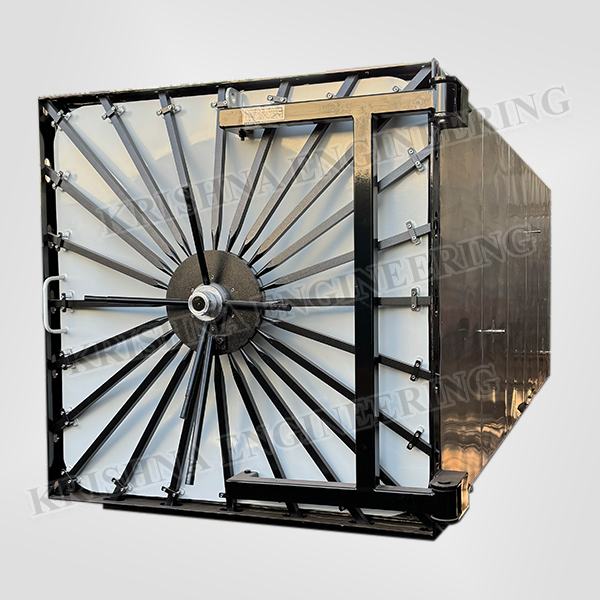
Sliding Door vs Hinged Door
Both types can be used for ETO sterilization. The difference is the door design.
Comparison | Sliding Door Sterilizer | Hinged Door Sterilizer
|
Door Movement | Slides along a specific mechanism | Opens on hinges |
Space Required | Space for sliding mechanism | Space for door to open
|
Layout | Can be suitable for limited space | Can be suitable for more space |
Equipment Layout | Can give more flexibility, depending on layout | Equipment shouldn’t block door movement |
Service | Sliding mechanism needs checking Hinges | seals and related components need checking |
Priority | Useful for when door space is an issue | Suitable for when door opens on hinges |
Depending on the chamber size, installation requirements, access and what the manufacturer can offer will help to determine which design is most suitable.
Important Factors to Consider
1. Space and Installation
Before choosing the equipment measure the area available. Consider the chamber size, door travel, access, loading and service space.
Don’t just consider the footprint of the equipment. It shouldn’t block access to the equipment, meaning it can be safely operated and cleaned if necessary.
2. Chamber Size
Ensure the chamber size is suitable for the size and amount of products being processed. Consider the packaging, loading and expected production volumes.
Speak to Krishna Engineering to ensure you know what chamber sizes are available. Don’t just consider the external size.
3. Door Design
Ensure the door can be securely closed. Speak to the manufacturer about the locking mechanism, interlocks, sealing and when the door can be opened.
The sliding mechanism should also be suitable for the expected running and service frequency.
4. Sterilization Process
The door shouldn’t affect whether the product can be sterilized. It must be compatible with the process.
Speak to the supplier about the conditions required, packaging, loading, and aeration and residue levels.
5. Automation
Depending on the model, there may be controls within the equipment. These can help to maintain consistency. Speak to the manufacturer to ensure you know what controls are available.
Speak to them to ensure there are suitable alarms, records and controls available.
6. Safety
Ethylene Oxide requires the correct controls to be in place. Ensure the equipment has the correct safety features. Consider the ventilation, gas management, emergency procedures and any regulations.
Ask for the relevant technical documentation. Ensure you know what safety features are included within the model quoted.
How to choose the right Sliding Door Sterilizer
Consider the following when choosing the equipment.
Selection factor | What to evaluate |
Available space | Chamber footprint, door travel and service clearance |
Product requirements | Materials, packaging and ETO compatibility |
Chamber capacity | Batch size, product dimensions and production demand |
Door mechanism | Locking, sealing, interlocking and maintenance |
Process control | Required parameters, monitoring and cycle records |
Safety | Gas handling, alarms, ventilation and aeration |
Installation | Utilities, access routes and facility layout |
After-sales support | Installation, training, maintenance and spare parts |
A Sliding Door Sterilizer may be a good option if there isn’t much space to open the door. However, it’s important to consider the product requirements, chamber size, safe access and service requirements.
Speak to Krishna Engineering about your installation requirements, batch size and application. This will help to determine if a sliding door option would be a good option.
Why Choose Krishna Engineering?
We’re an ETO sterilizer manufacturer and exporter based in Ahmedabad, Gujarat. Our website contains information on our ETO sterilization equipment and door options. Depending on your requirements we can discuss the best option.
When considering us for your project, consider the following.
Door design
Can we offer a sliding door design to suit your space? Can it fit into your production workflow?
Controls
What automation, monitoring and controls are available?
Chamber Size
Can we offer the correct chamber size and capacity for your product?
Safety
Can we offer the correct locking, sealing, gas management and aeration?
Installation
What are the installation requirements? What documentation, service and after sales can we offer?
Before ordering ask for a technical quotation. Ensure you know what door design, chamber size, safety, controls and documentation will be included.
FAQ
ETO can be used to sterilize compatible medical devices, pharmaceutical and select heat sensitive materials. It depends on the material, packaging and validation.
Ask about locking, interlocks, sealing, pressure monitoring, alarms, gas management, leak detection (if required) and aeration. The final safety set up should depend on your application and any regulations.
Consider the size and amount of products being processed in each batch. Consider the packaging, loading and expected production volumes. Speak to the manufacturer to ensure you know what chamber size and capacity can be used.
Conclusion
A Sliding Door can help manage the door and improve efficient equipment layout. However, it’s important to choose the correct chamber size, product requirements, controls, safe access and service requirements.
Krishna Engineering offers ETO sterilization equipment. We can help you determine if it would be suitable for your application and layout. If you are considering a Sliding Door ETO Sterilizer speak to us about your space, batch size and technical requirements.