


It is very important for industrial sterilisation in order to prevent the occurrence of any microorganism contamination in medical devices, pharmaceuticals and all other compatible materials. Ethylene oxide (ETO) sterilisation is the most common form of sterilisation, especially when there are some products that cannot be sterilised with the use of the normal heating method. For your convenience and to make sure that you get the right Industrial ETO Steriliser for your products, it is important that you learn more about the parts of this device, its sterilisation process, compatibility and safety.
Krishna Engineering is a renowned manufacturer of ETO sterilisation systems. Some of the things that you have to consider when buying the right ETO sterilisation system for your company include the chamber size, controls, gas handling and aeration among others.
What is Industrial ETO Sterilisation?
ETO sterilisation is a sterilisation process that uses ethylene oxide gas to kill microorganisms on compatible products. It is commonly used for heat and moisture sensitive products.
The ETO gas can penetrate some packaging and product setups, however the material, packaging, product setup and validated process will affect the sterilisation.
- Medical Device Manufacturing – Sterilisation of compatible catheters, syringes, dressings and other medical disposables.
- Pharmaceutical – Suitable products and materials can be sterilised using a validated process.
- Healthcare – Compatible products can be sterilised in packaging.
- Specialised Manufacturing – Selected heat sensitive products can be sterilised.
ETO is not suitable for all products. You should consider the material, product, packaging and residual gas requirements.
Industrial ETO Steriliser Components
An Industrial ETO Sterilisation system will have various components to help control and handle the gas. These will depend on the equipment, production processes and application.
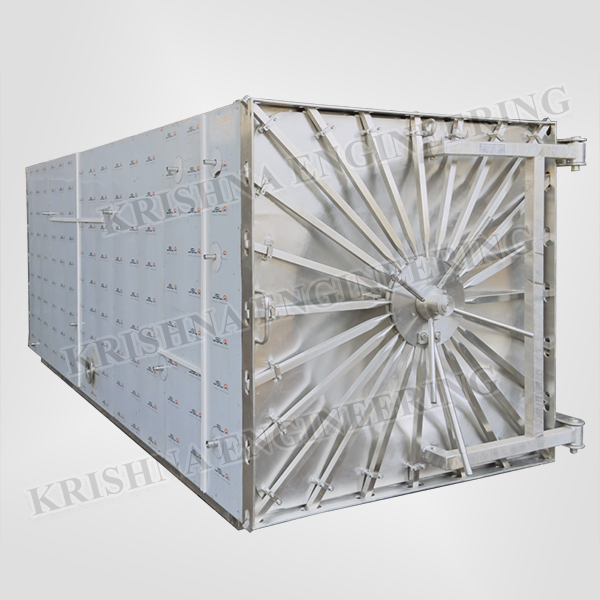
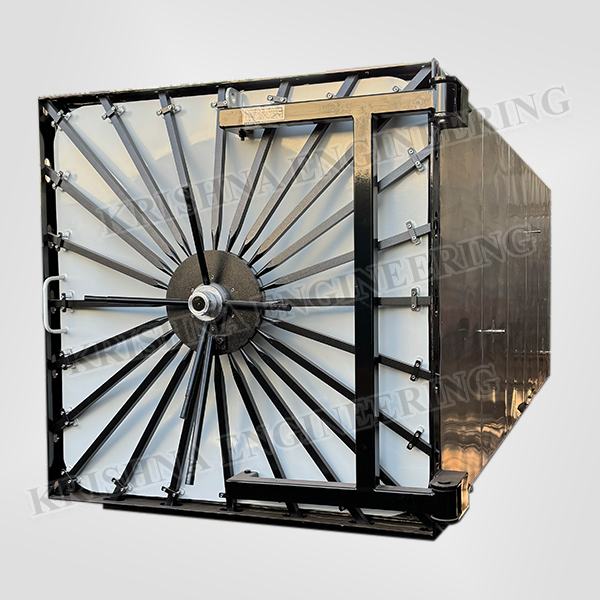
1) Chamber – The sterilisation chamber will hold the products being sterilised. The chamber size and usable space will depend on the product, quantity and packaging.
Consider:
- Size – Usable volume of the chamber.
- Batch Size – How many products can go in one batch.
- Material – What the chamber is made of.
- Door – Design of door.
- Accessibility – Can you easily access the chamber?
The chamber should allow for the correct loading of the product.
2. Temperature and Pressure – Temperature and pressure are important during the ETO sterilisation process. The temperature and pressure will depend on the product, product loading and validated process. Ensure the equipment can provide the correct monitoring and control of the temperature and pressure. Speak to the manufacturer to confirm what temperature and pressure range can be used.
3. Gas Handling – The gas handling will introduce the ETO gas into the chamber at the correct time. The system should be designed to allow for controlled gas handling. Speak to the manufacturer to confirm how the gas will be handled.
4. Control System – The control will allow for the sterilisation process to occur. Depending on the model, there will be automated controls, alarm systems and recording of the process. Before purchasing the equipment, check the controls available, recording, and ease of use. Ensure it allows for the correct quality processes.
5. Gas Removal – Once the exposure has finished, the gas should be removed using the correct process. Some products may require aeration to reduce the residual gas. The aeration time will depend on the product, packaging, materials and requirements. Speak to the manufacturer to confirm how the gas will be removed.
6. ETO Sterilisation Process – Typically an industrial ETO sterilisation cycle will consist of the following steps. This will depend on the equipment, product loading and validated process.
7. Product Preparation – Products will be prepared and loaded ready for sterilisation. Products may also require pre-conditioning.
8. Chamber Adjustment – The chamber is adjusted depending on the cycle.
9. ETO Gas Introduced – ETO gas will be introduced into the chamber. The system should handle the gas correctly.
10. Exposure – Products are exposed to ETO for the correct amount of time. The temperature, humidity, gas concentrations and exposure times may affect the process.
11. Gas Removal – The gas is removed at the correct time. The gas should be handled safely and the correct exhaust should be in place.
12. Aeration – Products should be aerated for the correct amount of time. Products should be released following approved processes. The process should be validated for the products and product loading. Just because the equipment is functioning correctly will not mean the product has been sterilised.
13. Safety Considerations – ETO gas can be dangerous. It is important to ensure you have the correct engineering, trained staff and processes in place.
14. Leakage – The equipment and gas handling should be designed to reduce the risk of leakage. Check with the manufacturer if there are suitable systems in place for leaks, alarms and emergency procedures based on the risk assessment.
15. Ventilation – The ventilation should be suitable for the equipment and location. Gas should be discharged in line with any environmental, occupational safety and regulatory requirements.
16. Door Locks – Having door locks can provide you with added safety. Check with the manufacturer to see what options are available.
17. Training – Staff should be trained to operate the equipment in normal operation, emergencies, gas handling and turning the equipment off. They should also have access to the correct safety procedures.
18. Gas Removal – The gas should be removed using the correct process. Products should be released following the correct criteria.
19. Maintenance – Regular checks and preventative maintenance can help to spot any potential issues with the equipment. Ensure any maintenance plans in place cover all relevant components such as chamber, door seals, control systems, gas handling and safety.
The safety should be decided based on risk assessments and standards and regulations.
Choosing the Correct Industrial ETO Steriliser
You should consider the following when choosing the correct equipment.
Selection Criteria | Consideration |
Product Compatibility | Material, packaging and suitability.
|
Chamber Size | Batch size, product size and production demand. |
Process | Temperature, pressure, humidity and exposure requirements. |
Gas Handling | Gas supply, monitoring, removal and exhaust. |
Aeration | Residual gas reduction. |
Automation | Controls, alarms and recording. |
Safety | Door locks, leakage, ventilation and emergency. |
Validation | Process documentation. |
After Sales Support | Installation, training, maintenance, spares. |
Speak to the manufacturer with information on your product, batch size, packaging and process requirements. Ask for a detailed technical specification on the chamber, controls, safety and documentation available.
Why Choose Krishna Engineering?
Krishna Engineering manufacture and export ETO sterilisers from their base in Ahmedabad, Gujarat. They can provide information on their sterilisation equipment and offer different configurations.
Consider:
Equipment
Speak to them about the chamber size, capacity and door design based on your application.
Controls
Confirm what automation, controls and recording are available.
Product Details
Provide them with product and batch information to help find the correct equipment.
Safety
Ask for information on gas handling, door locks, alarms and aeration.
Technical Support
Check what installation, commissioning, training, documentation and maintenance is available.
Ask for a technical quotation detailing what equipment will be provided, safety features, controls and installation requirements.
FAQ
The process may include product preparation, pre-conditioning, chamber adjustment, gas introduction, exposure, gas removal and aeration. The process will depend on the validated process and equipment.
Aeration helps reduce the residual gas from the products. This will depend on the product, packaging, materials and requirements.
Depending on the design and application, there may be door locks, gas leak detection, alarms, pressure monitoring, gas removal and correct exhaust.
Consider the product size, packaging, batch size, product loading and expected production demand. Speak to the manufacturer to confirm what usable size the chamber is and what configurations are available.
Conclusion
Industrial ETO sterilisation can be a great option for compatible products. However, it is important to ensure you have the correct equipment, validation and gas handling and safety procedures.
When choosing an Industrial ETO Steriliser, you should consider the chamber size, product compatibility, automation, aeration and safety of your facility. Contact Krishna Engineering to discuss the configuration of equipment and technical requirements. A detailed review of your products, batch size and facility will help you identify the correct sterilisation solution.